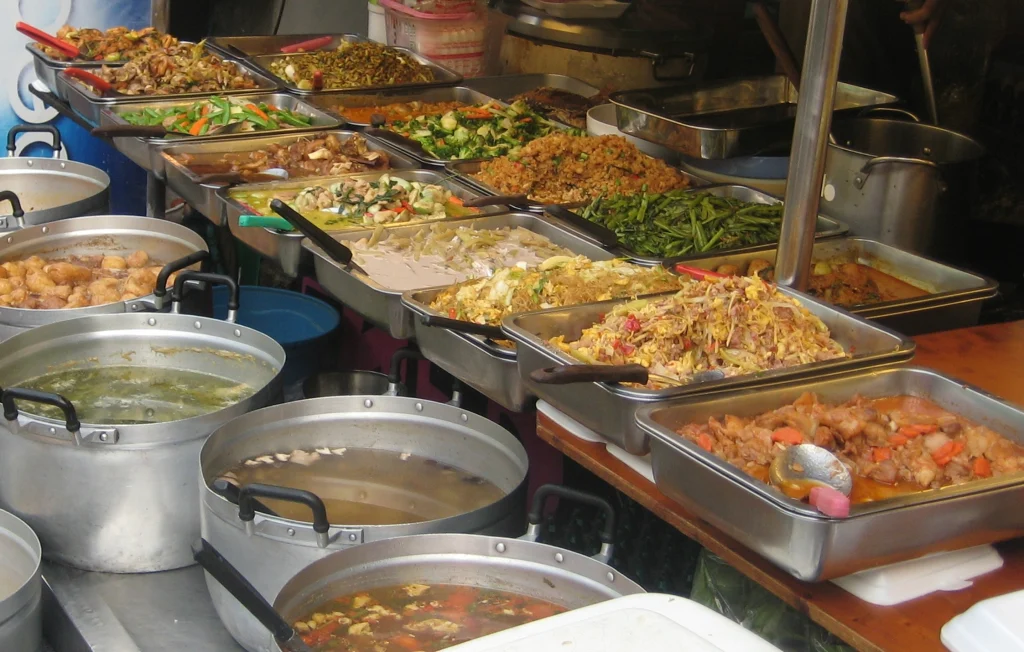
Swahili cooking is the delicious result of centuries of trade across the Indian Ocean. Arab, Persian, Indian and Portuguese traders all left their mark on the East African coast, and their influences blended with African ingredients to create a cuisine that is fragrant rather than fiery, built on coconut, rice, seafood and spices. Zanzibar, the old Spice Island, is one of the best places in the world to taste it. Here is what to eat, where to find it and how to order like a local.
The building blocks: coconut, spice and the sea
If one ingredient defines Swahili food, it is coconut. Grated coconut is squeezed to make coconut milk (tui), which goes into curries, rice, beans and even breakfast. Cloves, cinnamon, cardamom, black pepper, cumin and turmeric bring warmth without much heat; if you want more fire, there is almost always a bottle of chilli sauce or a dish of pilipili on the table.
Fish and seafood come fresh from the dhows each morning: kingfish, red snapper, tuna, octopus, squid, prawns and lobster. In the villages you will also see a lot of cassava, plantain, beans and green bananas, the everyday staples that fill you up.
Pilau and biryani: the celebration rice
Pilau is the dish every Zanzibari family cooks for weddings, Eid and Friday lunches. Rice is cooked in stock with a spice blend heavy on cumin, cardamom, cinnamon, cloves and black pepper, usually with beef, chicken or goat, until every grain is fragrant and golden-brown. It is often served with kachumbari, a fresh salad of tomato, onion and chilli that cuts through the richness.
Biryani, introduced by Indian traders, is a more elaborate cousin: rice and a spiced meat or chicken sauce are cooked separately and served together, often with saffron-tinted rice and fried onions on top.
Coconut curries
Look for anything described as wa nazi – “with coconut”. Samaki wa kupaka is a coast favourite: fish (often grilled first) bathed in a creamy sauce of coconut milk, tamarind, garlic and spices. Pweza wa nazi is octopus slow-cooked in coconut curry until tender – a must-try if you see it on the menu. Chicken and bean curries are served with rice or chapati, the soft, flaky flatbread that came to East Africa from India and is now everywhere.
Zanzibar pizza and the Forodhani night market
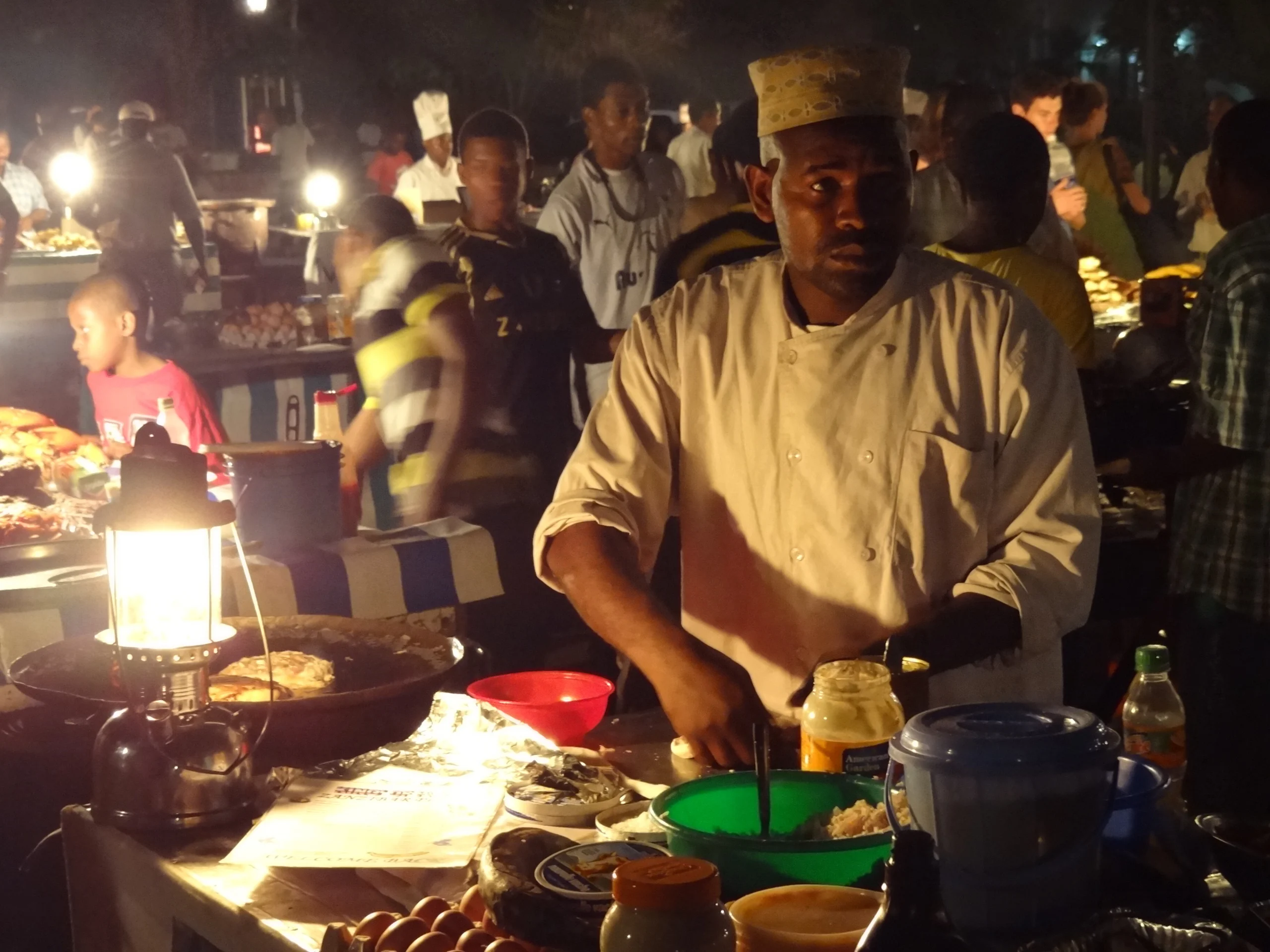
Every evening as the sun goes down, the waterfront Forodhani Gardens in Stone Town fill with grills, smoke and hungry people. It is the island’s most famous food experience and a brilliant introduction to street food.
The star is the so-called Zanzibar pizza, which is nothing like an Italian one. A ball of dough is stretched paper-thin on a hot plate, filled with minced meat or vegetables, onion, chilli, cheese and a raw egg, then folded into a parcel and fried until crisp. There are sweet versions too, with banana, chocolate or mango. Watching the vendors work is half the fun.
You will also find skewers of grilled seafood and meat (mishkaki), samosas, crisp fried cassava, and urojo, also known as Zanzibar mix: a tangy, turmeric-yellow soup loaded with bhajias, potatoes, boiled egg, crisps and chutneys. Wash it down with fresh sugar-cane juice pressed with lime and ginger.
Tip: prices are not always posted, so agree the price before your seafood goes on the grill, and choose stalls with plenty of local customers and a busy turnover.
Street snacks worth stopping for
- Mandazi – lightly sweet fried dough, often flavoured with cardamom and coconut, perfect with morning tea.
- Vitumbua – small, fluffy rice and coconut pancakes cooked in a special dimpled pan.
- Chipsi mayai – chips cooked into an omelette; simple, filling and hugely popular across Tanzania.
- Mishkaki – marinated beef or chicken skewers grilled over charcoal.
- Muhogo – roasted or fried cassava, sometimes with a squeeze of lime and chilli.
- Mkate wa ufuta – sesame bread, sold by vendors in Stone Town in the mornings.
Something sweet: tropical fruit and halwa
Zanzibar’s markets overflow with fruit: tiny sweet bananas, mangoes, pineapples, passion fruit, jackfruit, and seasonal treats like rambutan and the spiky, pungent durian. Try madafu, fresh green coconut, whose top is sliced off with a machete so you can drink the water and then scoop out the soft flesh.
The island’s signature sweet is halwa, a sticky, glossy confection of sugar, ghee and starch flavoured with cardamom, rosewater and nuts, brought over from Oman. It is served at weddings and festivals and sold in small portions in Stone Town – very rich, so share it.
Spiced tea and coffee culture
Tea (chai) is usually brewed with milk, sugar and spices such as ginger, cardamom and cloves. In Stone Town you will see coffee sellers carrying conical brass pots and tiny cups, pouring strong, bitter coffee spiced with cardamom or ginger for men gathered on the stone benches (baraza) outside houses. Order one for a few shillings and you have a front-row seat on Stone Town life.
Take a cooking class
Many spice farms and local families offer cooking classes, often combined with a spice tour. You will grate coconut by hand, grind spices, and cook dishes such as pilau, a coconut curry and chapati before sitting down to eat together. It is a lovely way to connect with local people and to take a taste of the island home. Ask our activities team and we will arrange one for you.
Eating etiquette
- Use your right hand for eating and passing food; the left is considered unclean.
- During Ramadan, avoid eating, drinking or smoking in public during daylight. Evenings, when families break the fast, are wonderfully sociable.
- Alcohol is available in hotels and many restaurants in tourist areas, but drinking in public places in town is frowned upon.
- Drink bottled or filtered water; most hotels provide it.
Stay somewhere that feeds you well
Some of the best meals you will have might be in your hotel. In Nungwi, Yasa Boutique Hotel has a garden restaurant mixing international dishes with African flavours, and its BookingMate rate includes breakfast, lunch and dinner. Explore more places to stay in Zanzibar, and keep an eye on our deals for current offers on the island.
Karibu chakula! – welcome to the table.