Egypt is the trip of a lifetime for a reason: the Pyramids of Giza, the temples of Luxor and Karnak, the tombs of the Valley of the Kings, the Nile and the Red Sea, all in one country. The challenge is fitting it all into a single holiday without spending half of it in transit. This itinerary covers the highlights in around 10 to 12 days, with practical advice on getting between places, when to go and how to travel comfortably.
When to go
October to April is the most comfortable time for sightseeing, with warm, sunny days and cool evenings; December and January are the busiest months. From May to September, temperatures in Luxor and Aswan regularly climb above 40°C, so sightseeing happens at dawn and late afternoon. The Red Sea coast is warm enough for swimming almost all year.
During Ramadan, sites stay open but some opening hours change, and evenings are festive as families break the fast together.
Days 1–3: Cairo and Giza
Arrive in Cairo and base yourself in Giza for the first nights – waking up to a view of the pyramids is unforgettable. Some hotels close to the plateau, like the rooftop-terrace guesthouses on our Giza page, look straight at them.
The Giza plateau. Go at opening time to see the Great Pyramid of Khufu, the pyramids of Khafre and Menkaure and the Great Sphinx before the heat and crowds. Entering the Great Pyramid needs a separate ticket; the cramped climb is memorable but not for the claustrophobic. Agree prices for camel or horse rides before you mount.
The Grand Egyptian Museum. The vast new museum near the pyramids is home to the treasures of Tutankhamun, displayed together for the first time, along with a monumental staircase lined with statues. Allow at least half a day.
Islamic and Coptic Cairo. Spend a day in the historic city: the Citadel and Mohamed Ali Mosque, the Al-Azhar and Sultan Hassan mosques, the Khan el-Khalili bazaar and the old churches of Coptic Cairo. Finish with mint tea in a café as the call to prayer echoes across the rooftops.
Saqqara and Dahshur make a great half-day trip: the Step Pyramid of Djoser, the oldest of the pyramids, and the Bent and Red Pyramids, which you can often enjoy almost alone.
Days 4–6: Luxor
Fly (about an hour) or take the overnight sleeper train to Luxor, ancient Thebes, often described as the world’s greatest open-air museum.
East Bank. The temple complex of Karnak is staggering in scale – the Great Hypostyle Hall’s forest of 134 giant columns is a highlight. Luxor Temple, in the middle of town, is especially atmospheric when lit up after dark. The Avenue of Sphinxes now links the two.
West Bank. Cross the river for the Valley of the Kings, where your ticket includes a selection of royal tombs (Tutankhamun’s and some others cost extra). Add the terraced Temple of Hatshepsut, the Colossi of Memnon and Medinet Habu, whose painted reliefs still hold their colour. A sunrise hot-air balloon flight over the West Bank is an unforgettable splurge.
The West Bank is quieter and greener than the town; staying there among the fields, at a place like those on our Luxor page, gives you a peaceful base close to the tombs.
Days 7–9: The Nile and Aswan
Between Luxor and Aswan, the Nile is the road. You have three ways to travel:
- Nile cruise – three or four nights on a cruise ship, stopping at the temples of Edfu and Kom Ombo. The most popular option, with meals and guided visits included.
- Dahabiya – a traditional sailing boat with a handful of cabins; slower, quieter and more intimate.
- By road – about three hours by car, with stops at the temples on the way, if you are short of time.
Aswan is the most relaxed city in Egypt. Sail in a felucca around Elephantine Island at sunset, visit the island temple of Philae, and cross to a Nubian village on the West Bank with its brightly painted houses. Nubian guesthouses on the riverbank, like those on our Aswan page, offer home cooking and Nile views from the terrace.
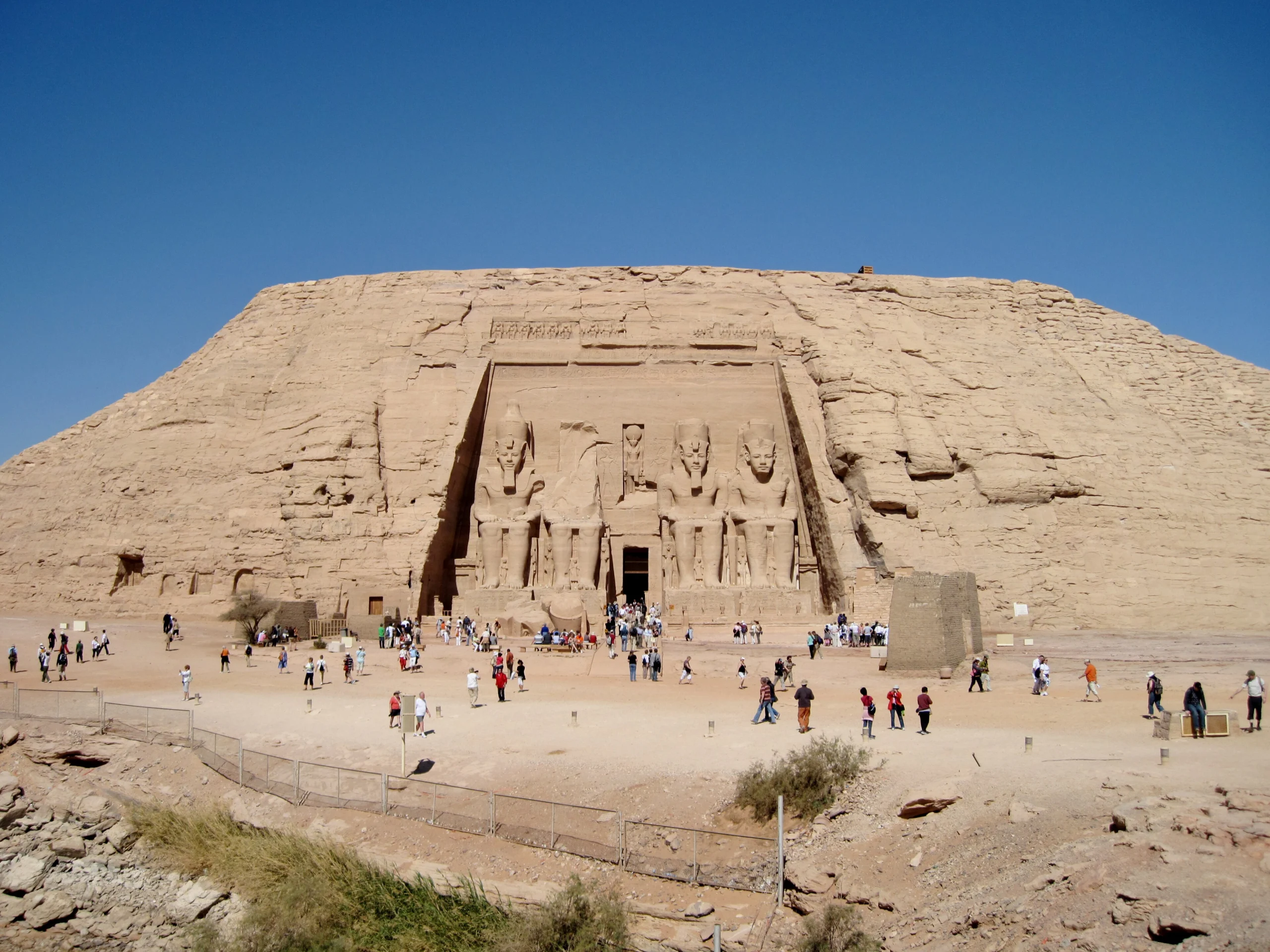
Abu Simbel. The great temples of Ramesses II and Nefertari, rescued from the rising waters of Lake Nasser in the 1960s and moved block by block, are around three and a half hours’ drive south of Aswan. Most visitors leave before dawn by road or take a short flight. It is a long day, and worth every minute.
Days 10–12: Red Sea
End with a few days on the Red Sea to swim, snorkel and recover. From Luxor, Hurghada and the quieter bay of Sahl Hasheesh are about four hours by road; there are also flights from Cairo. The coral reefs are among the best in the world for snorkelling and diving. See all our Egypt stays for options from simple guesthouses to beach resorts.
Practical tips
- Visas. Many nationalities can get an e-visa online before travel or a visa on arrival; check the current rules for your passport.
- Tickets. Major sites sell tickets at the entrance or online, and many now accept cards only. Consider the Luxor Pass or Cairo Pass if you plan to see a lot.
- Tipping (baksheesh). Small tips are part of everyday life – for guards who unlock a tomb, bathroom attendants, drivers and guides. Keep a supply of small notes.
- Dress. Light, loose clothing covering shoulders and knees is comfortable and respectful, especially in mosques and villages. Women may want a scarf for mosque visits.
- Water and sun. Drink bottled water, wear a hat and sunscreen, and plan visits for the cooler hours.
- Guides. A licensed Egyptologist guide brings the hieroglyphs to life and handles the logistics. Our activities team can arrange guides, and we can book airport transfers so there is a driver waiting when you land.
If you only have a week
Two nights in Giza and Cairo, a flight to Luxor for two nights, a day by road to Aswan via Edfu and Kom Ombo, and one night in Aswan before flying home via Cairo. You will miss the Red Sea, but you will see the essentials.
Egypt is busy, noisy, overwhelming at times – and utterly magnificent. Plan well, travel slowly between the big sights, and it will stay with you forever. Looking for a contrast on the same trip? Dubai is a short flight away: see our guide to Dubai on a budget.