Most people picture Zanzibar as a strip of white sand and impossibly turquoise water, and to be fair, the beaches at Nungwi, Kendwa and Paje live up to the hype. But spend all your time on a sun lounger and you miss what makes the island genuinely unforgettable: a thousand years of trading history, a cuisine built on spices from three continents, and a culture that is warm, layered and proudly Swahili. Here is how to see the Zanzibar that most visitors only glimpse from a taxi window.
Get lost (properly) in Stone Town
Stone Town, the old quarter of Zanzibar City, is a UNESCO World Heritage Site and the beating heart of the island. Its narrow lanes were laid out long before cars existed, so the only sensible way to explore is on foot and without much of a plan. Turn a corner and you might find a mosque, a Hindu temple, a carpenter planing a door frame, or a group of old men playing bao, the board game that has been played on East Africa’s coast for centuries.
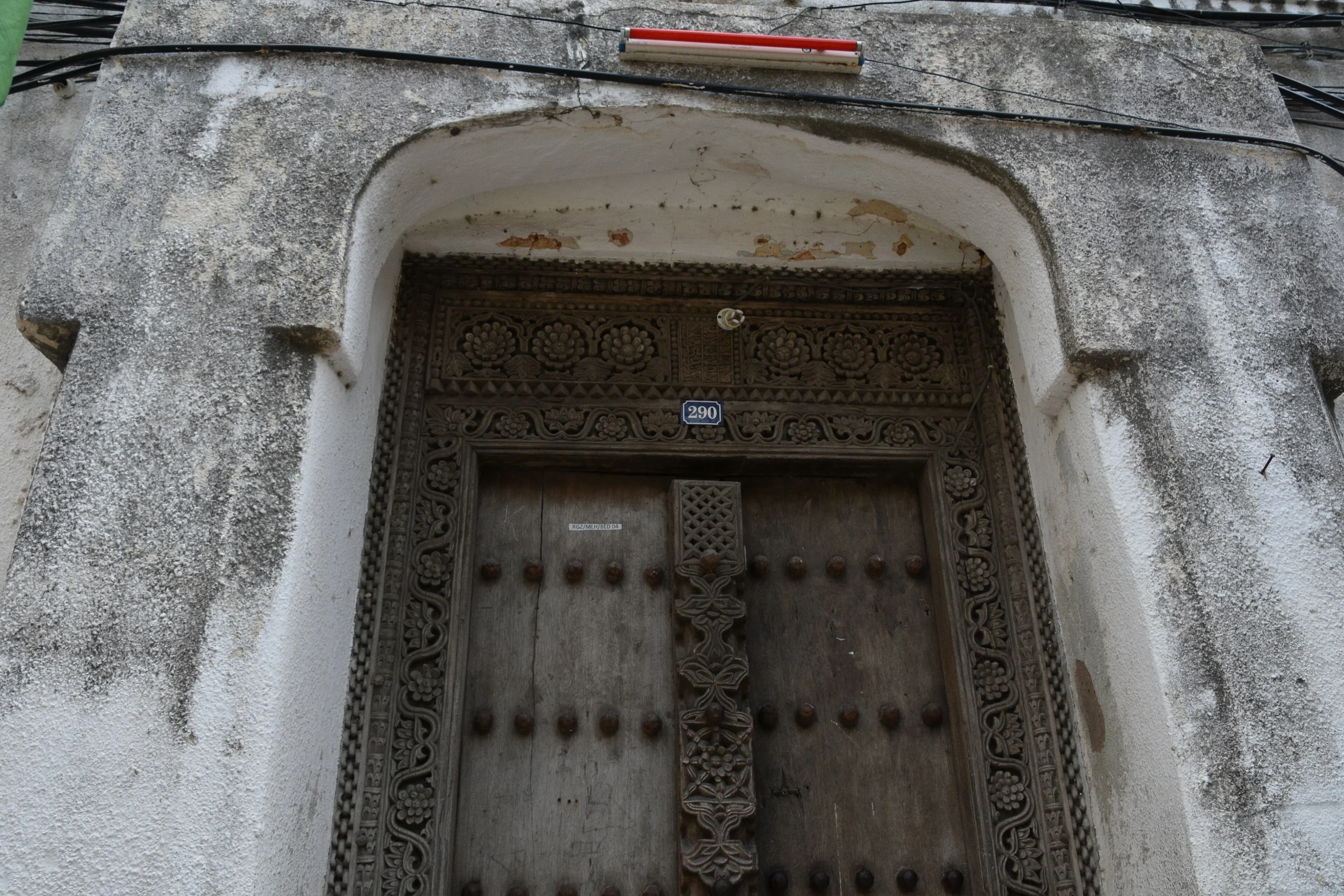
Look out for the famous carved doors. Many are studded with brass spikes and decorated with lotus flowers, chains or fish, and their styles hint at the families who commissioned them – some show Indian influence, others Omani Arab. Locals will happily explain the symbolism if you ask, and a good guide can turn a wander into a story about the dhow trade, the Omani sultans and the merchants who made Zanzibar rich.
Stone Town has a darker chapter too. The site of the old slave market, where the Anglican Christ Church Cathedral now stands, has a museum and a memorial that tell the story of the East African slave trade with honesty. It is a sobering visit and an essential one for understanding the island.
Take a break in the late afternoon at the seafront, where the Old Fort and the House of Wonders face the harbour, then stay on for the evening food market in Forodhani Gardens. If you are hungry for more, our Swahili food guide explains exactly what to order.
Follow your nose on a spice tour
Zanzibar is nicknamed the Spice Island for good reason. Cloves made the island wealthy in the 19th century, and farms in the countryside still grow cloves, nutmeg, cinnamon, black pepper, cardamom, vanilla and lemongrass. A spice tour is one of the most popular half-day trips, and it is far more fun than it sounds: your guide will hand you leaves to crush and bark to sniff, climb a coconut palm in seconds, and challenge you to guess each plant before telling you what it is used for in cooking and traditional medicine.
Most tours finish with a simple lunch cooked with what you have just seen growing, and many farms sell small bags of fresh spices – far better value, and far more fragrant, than anything at the airport.
Meet the red colobus in Jozani Forest
Jozani Chwaka Bay National Park protects the island’s last large patch of indigenous forest and is home to the Zanzibar red colobus, a monkey found nowhere else in the world. They are surprisingly relaxed around people, so you can watch them leaping between branches and grooming each other from just a few metres away. A short boardwalk through the mangroves at the edge of the park shows a completely different side of the island’s ecology – keep an eye out for crabs and mudskippers among the roots.
Jozani is in the south-centre of the island, so it combines easily with a day on the east coast or a visit to the fishing villages around it.
Go where the locals go: villages and seaweed farms
On the east coast, the tide drops dramatically twice a day, exposing wide sandbanks and shallow lagoons. In villages such as Paje and Jambiani you will see women tending seaweed farms in the shallows – rows of stakes and string where seaweed is grown, dried and sold, often for use in cosmetics. Several community projects offer visits where you can learn how the farms work and buy soap or oils made from the harvest, with the money going straight to the women who grow it.
The same tides make the east coast one of the best places in East Africa to learn kitesurfing, thanks to steady winds for much of the year.
Head out to sea – but not just for the beach
Some of the island’s best experiences start on a boat. From the north, trips go out towards Mnemba Atoll, a protected marine area with excellent snorkelling and, often, dolphins along the way. A sunset dhow cruise from Nungwi or Stone Town is a classic for good reason: the traditional wooden sailing boats glide along the coast as the sky turns pink and orange.
A short boat ride from Stone Town brings you to Prison Island (Changuu), home to a colony of giant Aldabra tortoises, some of them well over a hundred years old. Combine it with a stop at a sandbank for a swim and you have an easy, memorable day.
You can arrange any of these through our activities and tours team, who work with trusted local operators.
Learn a little Swahili
Nothing opens doors faster than a few words of the local language. Start with jambo or the more local mambo (“hello” – reply poa, “cool”), asante sana (“thank you very much”) and karibu (“welcome”, which you will hear constantly). And you will quickly learn the island’s unofficial motto, pole pole – “slowly, slowly”. Things move at their own pace here, and the sooner you embrace it, the more you will enjoy your stay.
Respect local customs
Zanzibar is a predominantly Muslim society, and modest dress is appreciated away from the beach: cover shoulders and knees in Stone Town and in villages, and save swimwear for the sand and the pool. Always ask before photographing people. If you visit during Ramadan, avoid eating and drinking in public in the daytime – many restaurants in tourist areas stay open, but the atmosphere in town is quieter during the day and lively after sunset.
Where to stay to see it all
Zanzibar is small enough that you can see a lot from one base, but splitting your stay works well: two or three nights in or near Stone Town for history and food, then a few nights on the coast. The north around Nungwi and Kendwa has beaches where you can swim at most states of the tide and spectacular sunsets; the east coast is quieter, with big tides and a village feel.
In Nungwi, Yasa Boutique Hotel is a relaxed base set around a tropical garden and pool, with full board and airport transfers included in its BookingMate rate and a free daily shuttle to Nungwi and Kendwa beaches. Browse all our Zanzibar stays by area, and check the deals page for current offers.
Getting around
Most visitors arrive at Abeid Amani Karume International Airport, just outside Zanzibar City, or by ferry from Dar es Salaam. The drive to Nungwi takes about an hour and a quarter; to Paje, about an hour. Taxis and private drivers are the easiest way to move between areas – we can book an airport transfer for you so a driver is waiting when you land.
Zanzibar rewards curiosity. Spend a day or two away from the beach and you will come home not just with a tan, but with stories, flavours and friendships that last far longer.